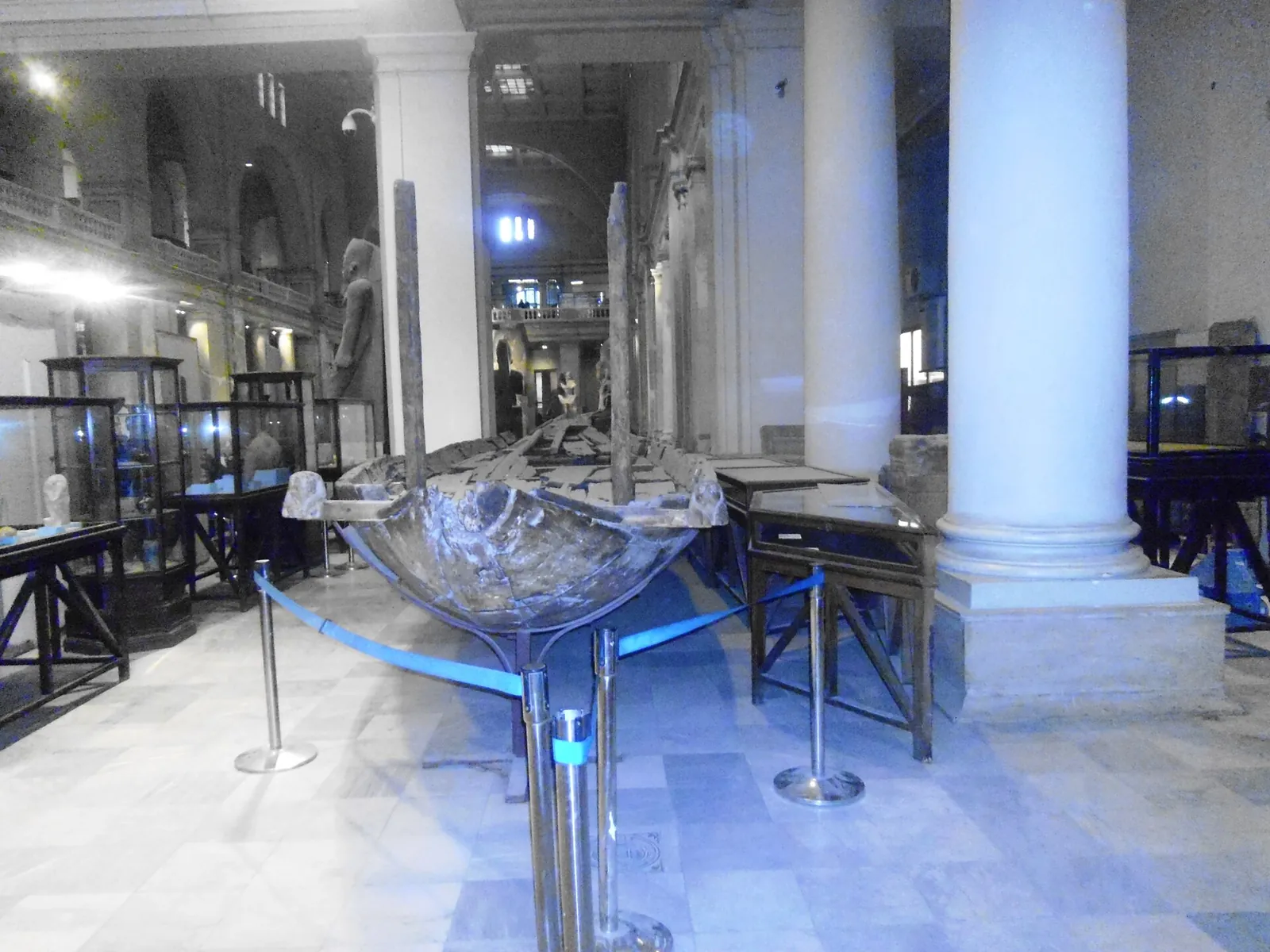
A practical system for recognising visual fatigue, shortening the route, using breaks and leaving with one strong memory. This guide gives a verification method, not a permanent promise about every institution.
STEP 01 / TIP 02
Set an attention budget
Opening hours describe the building, not your concentration. Begin with a realistic focus window and a planned seated break.
Make it specific
Write the museum, date, entrance and condition that applies to your visit.
Use the owner of the fact
Prefer the museum or responsible institution to copied summaries.
Keep evidence offline
Store the page, confirmation or contact answer with its date.
Keep an alternative
Decide what you will shorten, change or remove if conditions differ.
Why this matters
Opening hours describe the building, not your concentration. Begin with a realistic focus window and a planned seated break. The practical consequence is simple: avoid converting a general rule into a guarantee for a particular date.
- Separate a policy from a preference.
- Distinguish permanent and temporary conditions.
- Record unresolved questions honestly.
- Recheck anything that could block entry or access.
POCKET TIP 1One precise question sent to the institution is better than five confident guesses from copied blogs.
STEP 02 / TIP 02
Orient before looking
Use the first fifteen minutes for map, floors, facilities and one route choice instead of stopping at every first case.
Make it specific
Write the museum, date, entrance and condition that applies to your visit.
Use the owner of the fact
Prefer the museum or responsible institution to copied summaries.
Keep evidence offline
Store the page, confirmation or contact answer with its date.
Keep an alternative
Decide what you will shorten, change or remove if conditions differ.
Why this matters
Use the first fifteen minutes for map, floors, facilities and one route choice instead of stopping at every first case. The practical consequence is simple: avoid converting a general rule into a guarantee for a particular date.
- Separate a policy from a preference.
- Distinguish permanent and temporary conditions.
- Record unresolved questions honestly.
- Recheck anything that could block entry or access.
POCKET TIP 2One precise question sent to the institution is better than five confident guesses from copied blogs.
STEP 03 / TIP 02
Choose three anchors
Select three rooms, objects or questions. Everything else becomes optional rather than a failed completion target.
Make it specific
Write the museum, date, entrance and condition that applies to your visit.
Use the owner of the fact
Prefer the museum or responsible institution to copied summaries.
Keep evidence offline
Store the page, confirmation or contact answer with its date.
Keep an alternative
Decide what you will shorten, change or remove if conditions differ.
Why this matters
Select three rooms, objects or questions. Everything else becomes optional rather than a failed completion target. The practical consequence is simple: avoid converting a general rule into a guarantee for a particular date.
- Separate a policy from a preference.
- Distinguish permanent and temporary conditions.
- Record unresolved questions honestly.
- Recheck anything that could block entry or access.
POCKET TIP 3One precise question sent to the institution is better than five confident guesses from copied blogs.
STEP 04 / TIP 02
Use the 60/15 rhythm
After roughly an hour of focused looking, take a true fifteen-minute reset away from dense labels and camera decisions.
Make it specific
Write the museum, date, entrance and condition that applies to your visit.
Use the owner of the fact
Prefer the museum or responsible institution to copied summaries.
Keep evidence offline
Store the page, confirmation or contact answer with its date.
Keep an alternative
Decide what you will shorten, change or remove if conditions differ.
Why this matters
After roughly an hour of focused looking, take a true fifteen-minute reset away from dense labels and camera decisions. The practical consequence is simple: avoid converting a general rule into a guarantee for a particular date.
- Separate a policy from a preference.
- Distinguish permanent and temporary conditions.
- Record unresolved questions honestly.
- Recheck anything that could block entry or access.
POCKET TIP 4One precise question sent to the institution is better than five confident guesses from copied blogs.
STEP 05 / TIP 02
Notice physical signals
Thirst, cold, heat, sore feet and crowd stress often appear as boredom. Solve the body problem before judging the collection.
Make it specific
Write the museum, date, entrance and condition that applies to your visit.
Use the owner of the fact
Prefer the museum or responsible institution to copied summaries.
Keep evidence offline
Store the page, confirmation or contact answer with its date.
Keep an alternative
Decide what you will shorten, change or remove if conditions differ.
Why this matters
Thirst, cold, heat, sore feet and crowd stress often appear as boredom. Solve the body problem before judging the collection. The practical consequence is simple: avoid converting a general rule into a guarantee for a particular date.
- Separate a policy from a preference.
- Distinguish permanent and temporary conditions.
- Record unresolved questions honestly.
- Recheck anything that could block entry or access.
POCKET TIP 5One precise question sent to the institution is better than five confident guesses from copied blogs.
STEP 06 / TIP 02
Leave on purpose
End after one return to a meaningful object. A deliberate exit protects the visit better than a final exhausted sprint.
Make it specific
Write the museum, date, entrance and condition that applies to your visit.
Use the owner of the fact
Prefer the museum or responsible institution to copied summaries.
Keep evidence offline
Store the page, confirmation or contact answer with its date.
Keep an alternative
Decide what you will shorten, change or remove if conditions differ.
Why this matters
End after one return to a meaningful object. A deliberate exit protects the visit better than a final exhausted sprint. The practical consequence is simple: avoid converting a general rule into a guarantee for a particular date.
- Separate a policy from a preference.
- Distinguish permanent and temporary conditions.
- Record unresolved questions honestly.
- Recheck anything that could block entry or access.
POCKET TIP 6One precise question sent to the institution is better than five confident guesses from copied blogs.
DETACHABLE POCKET LIST
Six boxes before you go
Set an attention budget
Source: ____________________ Date: __________
Orient before looking
Source: ____________________ Date: __________
Choose three anchors
Source: ____________________ Date: __________
Use the 60/15 rhythm
Source: ____________________ Date: __________
Notice physical signals
Source: ____________________ Date: __________
Leave on purpose
Source: ____________________ Date: __________
SOURCE CONTROL
Keep the trail visible
- Official museum visitor information.
- Current ticket, access or photography policy.
- Direct institutional answer when needed.
- Image creator and reuse licence.
Editorial review: 16 July 2026. No unrecorded personal visit is claimed.